Why Some Ottawa Homes Sit on the Market (and Others Don’t), Even in the Same Neighbourhood
If you’ve ever browsed Ottawa listings and thought, “Why is that house still for sale?” you’re not alone.
What surprises most buyers and sellers is that homes can perform wildly differently even when they’re in the same neighbourhood, the same price range, or even on the same street. One sells in days. Another sits for weeks or months.
The difference usually isn’t luck. And it’s rarely just the market.
Here’s what actually determines whether a home moves quickly or stalls, especially in today’s more balanced Ottawa market.
Pricing Sets the Tone Immediately
The first 10 to 14 days on the market matter more than any other window.
Buyers are most alert when a listing is new. They’re comparing it against everything else available and forming an opinion fast. If the price doesn’t align with condition, layout, or recent comparable sales, buyers don’t “wait to see.” They move on.
In Ottawa right now, overpriced homes don’t slowly get there. They tend to get ignored, then discounted, and then questioned.
Homes that sell quickly usually hit the market at a price that makes sense immediately, not one that hopes to test the waters.
Layout and Function Matter More Than Ever
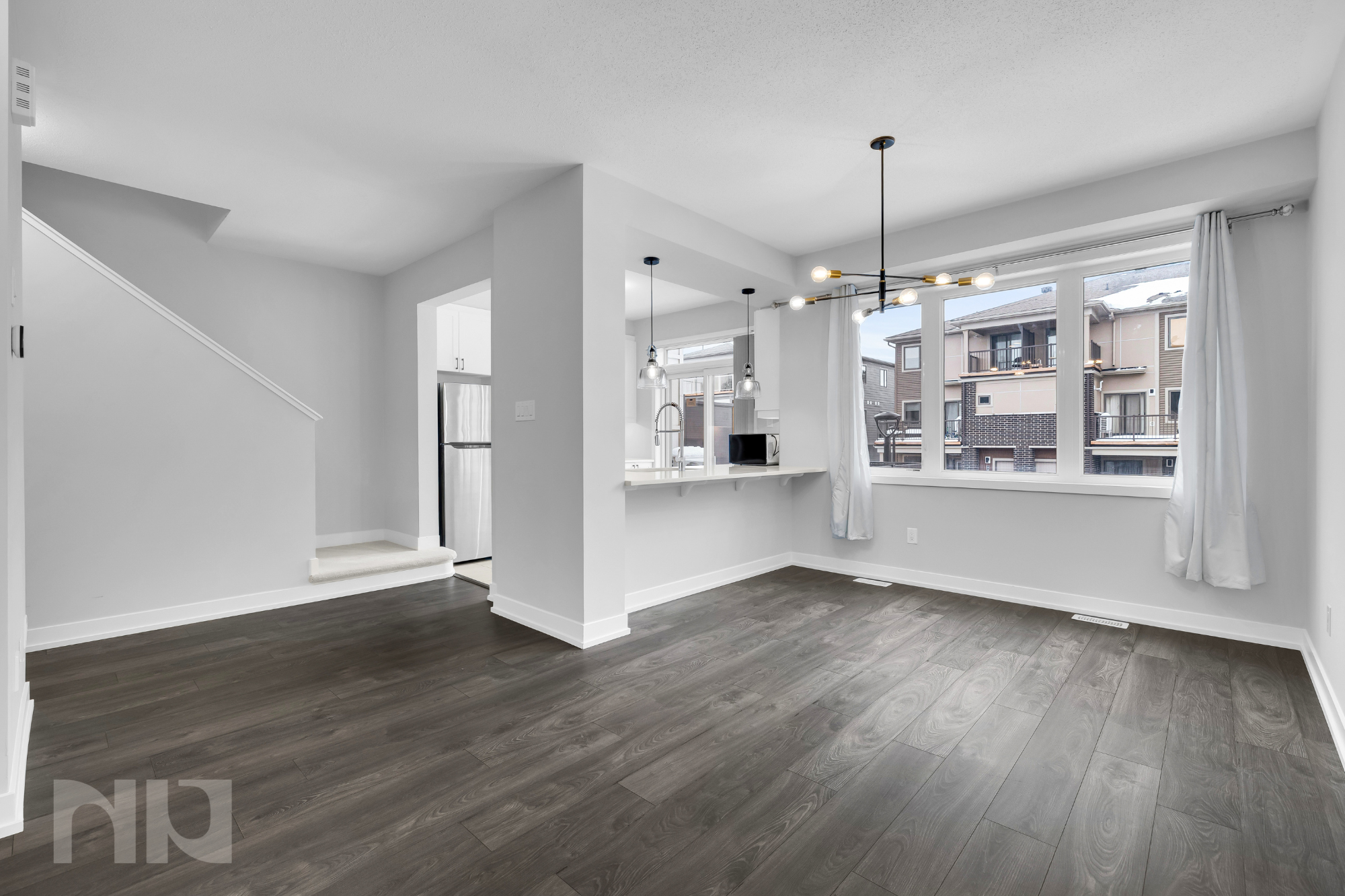
Two homes can have the same square footage but feel completely different to buyers.
Some common layout issues that slow down interest:
Awkward main-floor flow
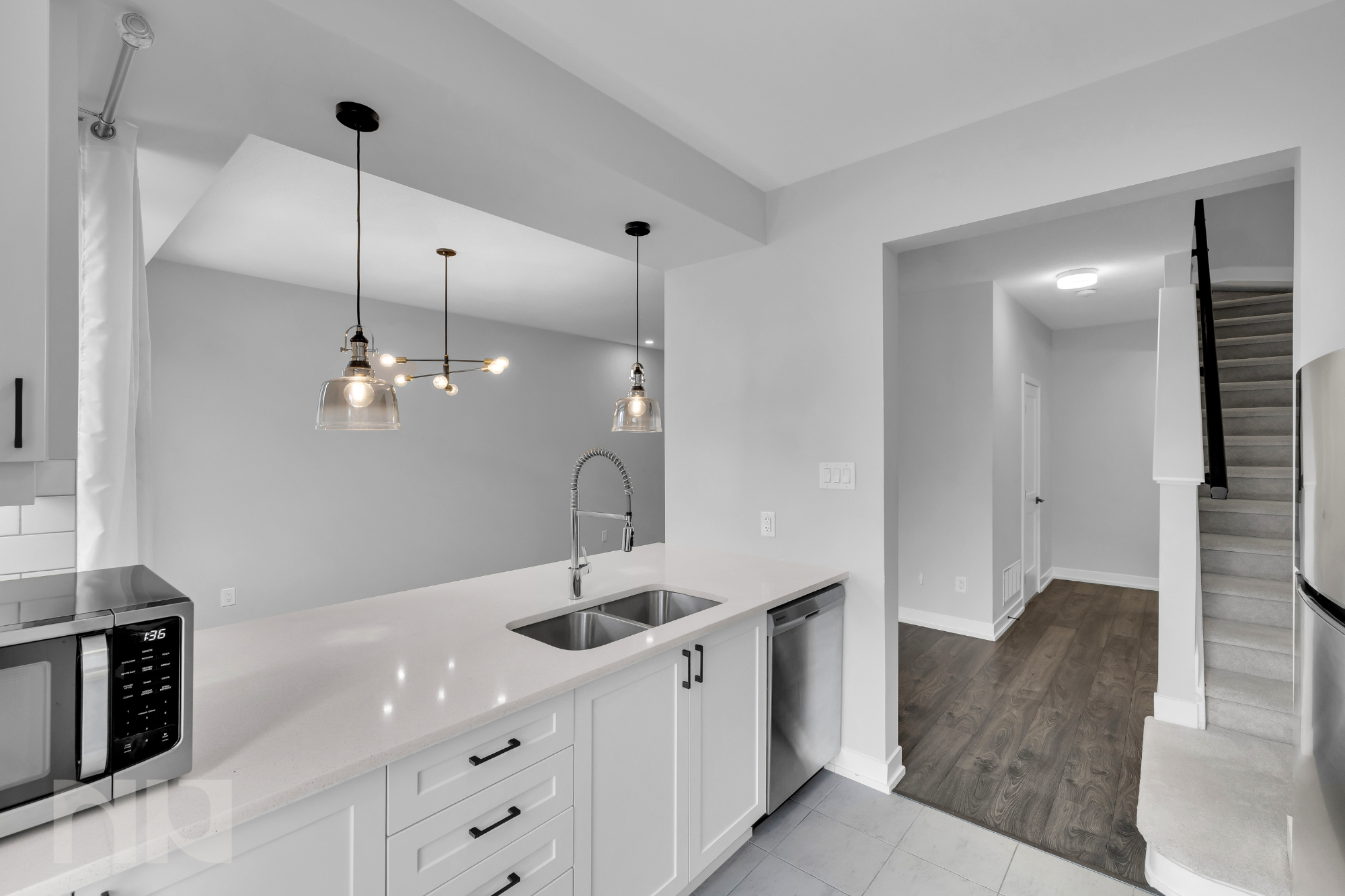
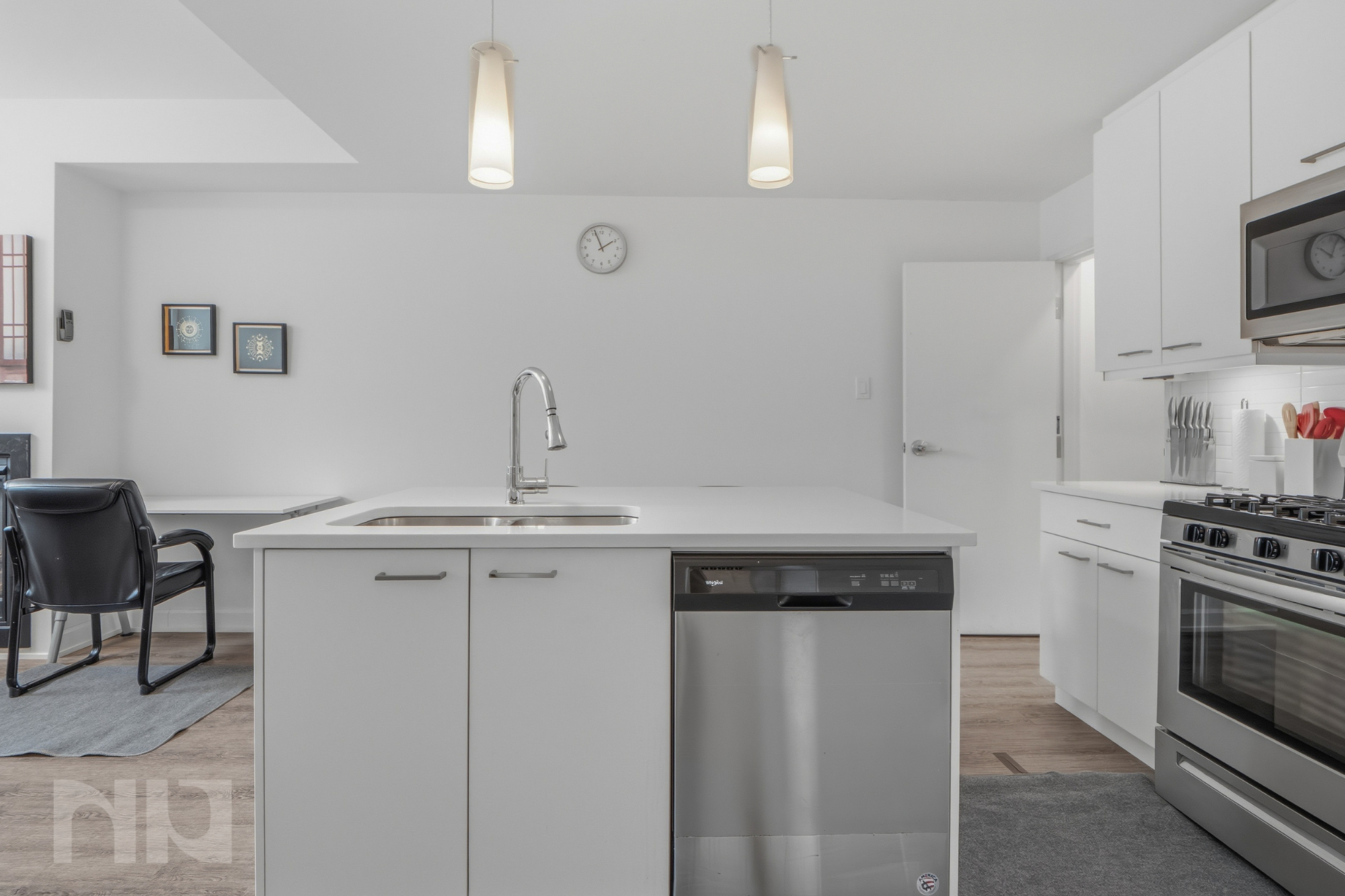
Small or closed-off kitchens
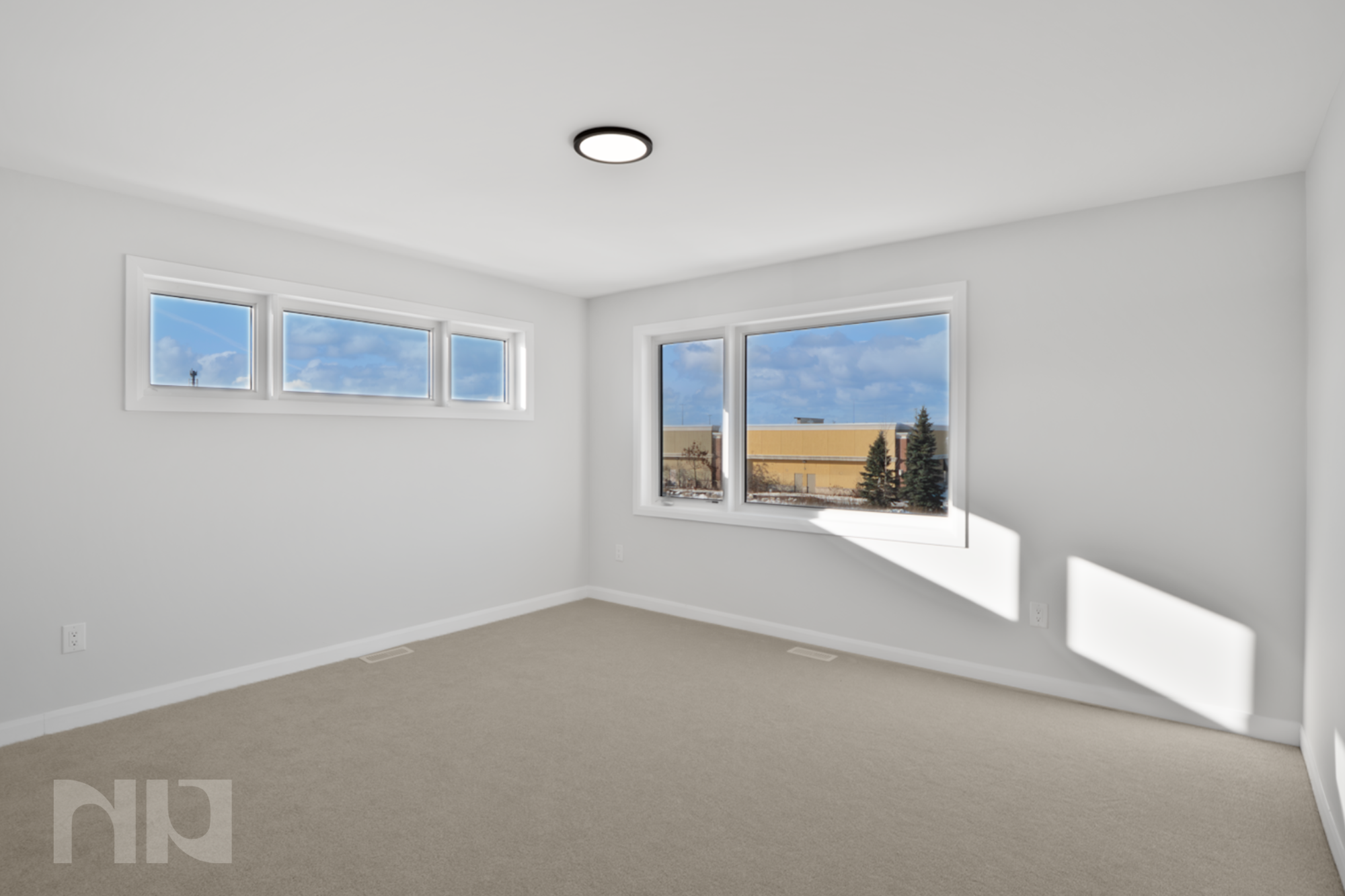
Bedrooms that feel undersized
Lack of usable storage
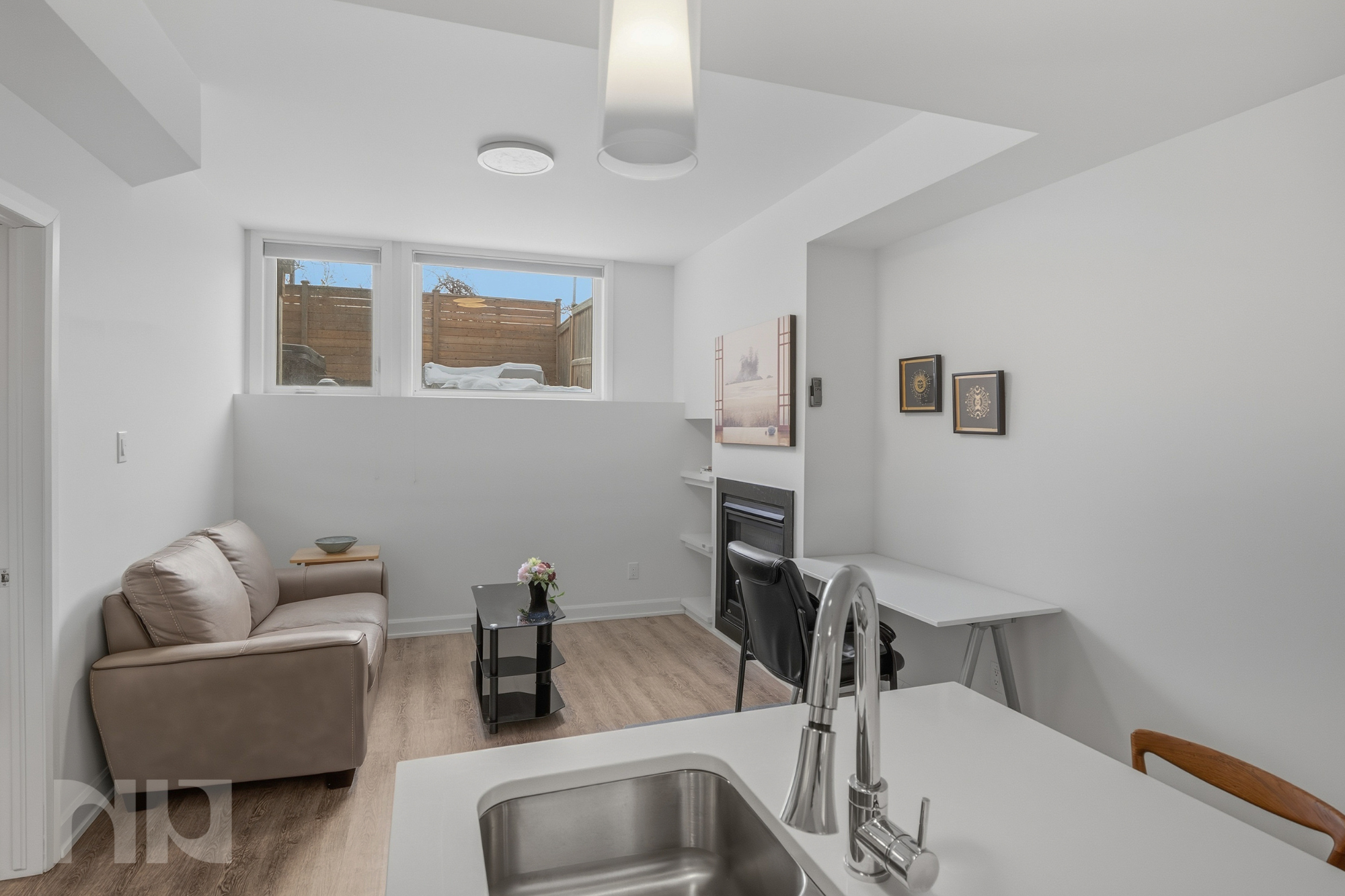
Finished basements that don’t actually add function
Buyers today are less willing to compromise on how a home lives day to day. A property doesn’t need to be perfect, but it does need to feel practical.
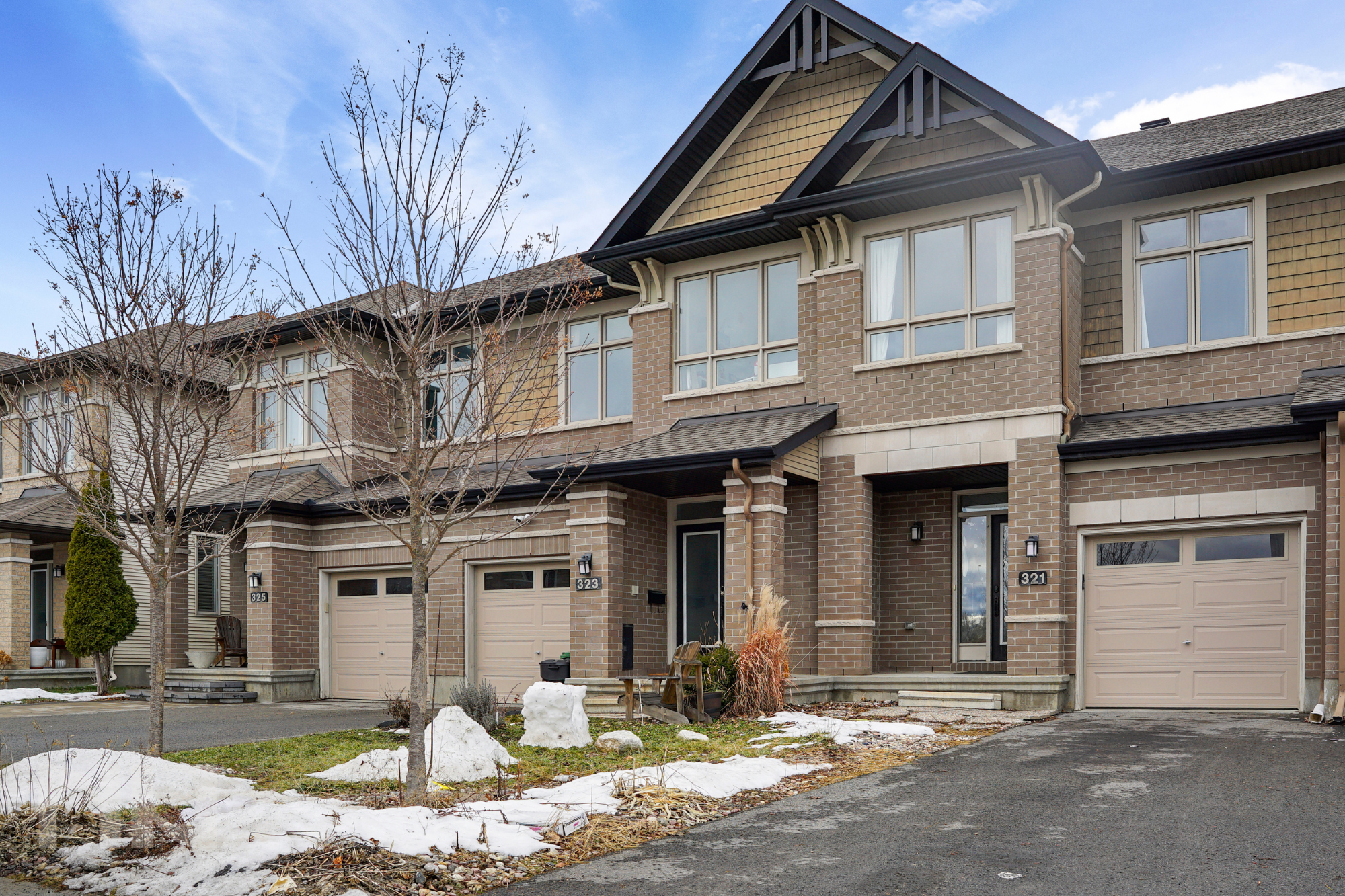
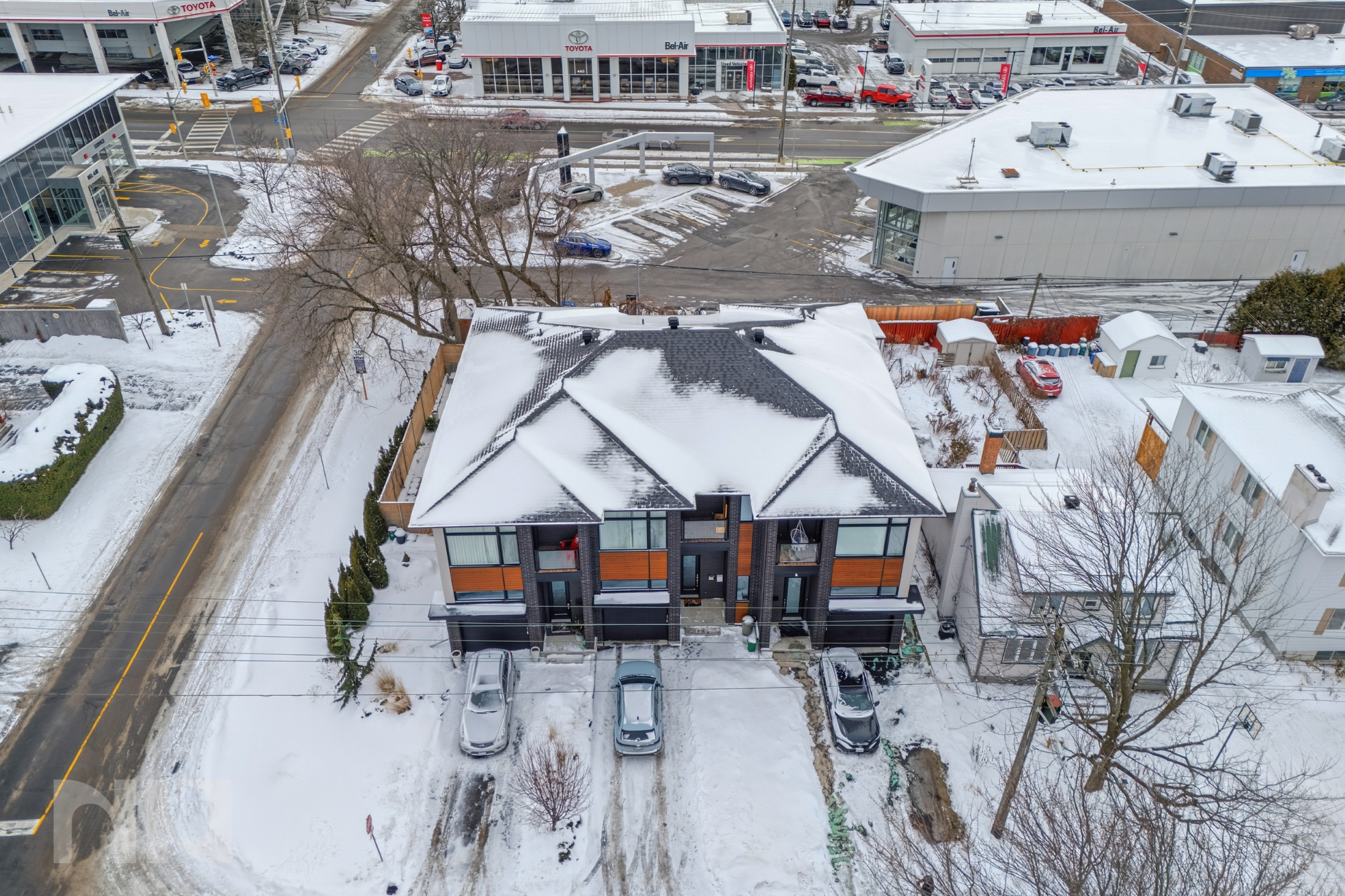
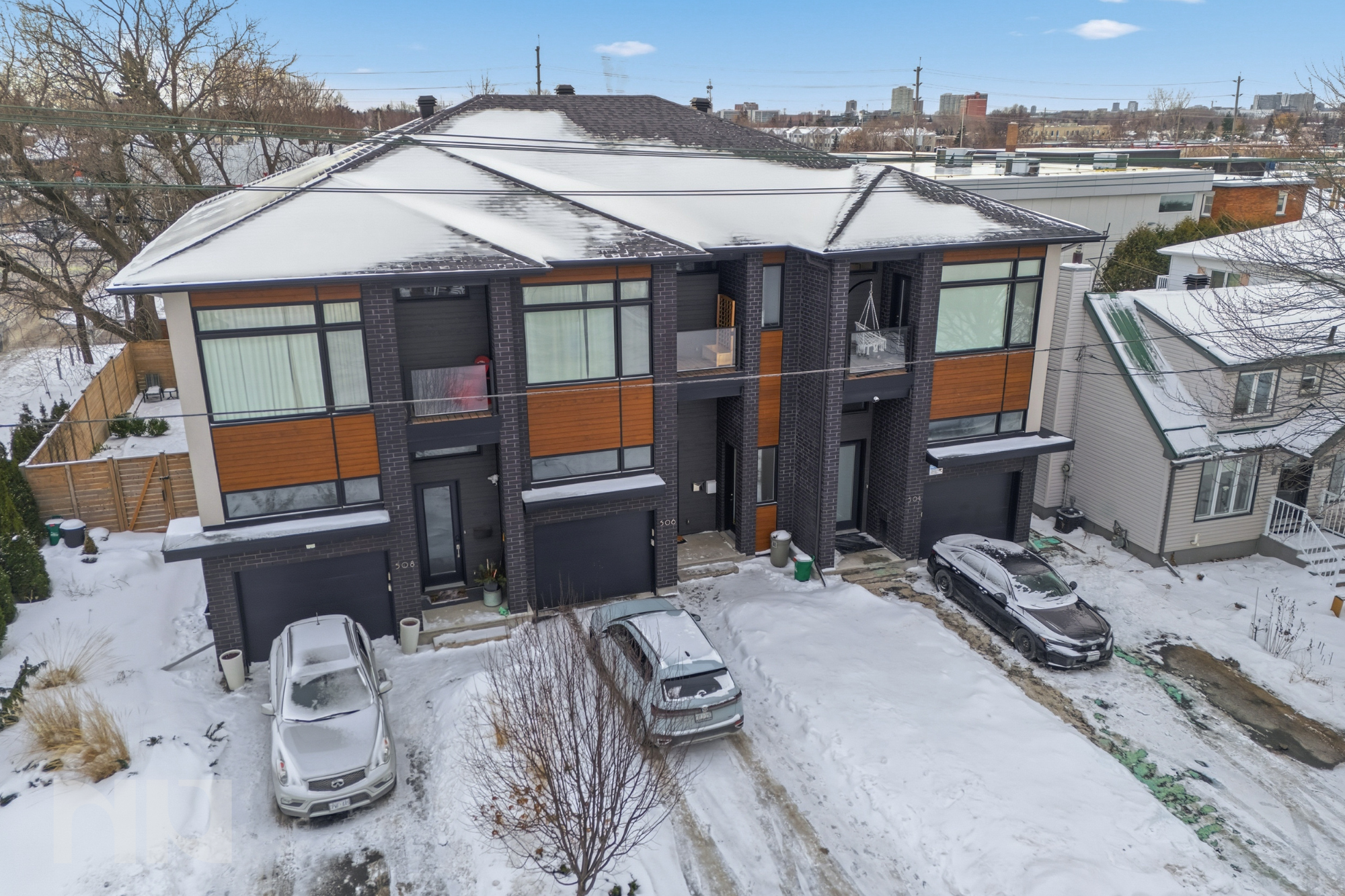
This is especially noticeable in townhomes and older detached properties, where layout differences can be dramatic despite similar exterior appearances.
Condition Isn’t About “New”, It’s About Confidence
A home doesn’t have to be fully renovated to sell quickly, but it does need to feel cared for.
Buyers slow down when they sense uncertainty. Deferred maintenance, visible wear, or unclear updates create mental math around future costs. Even small things add up psychologically.
Homes that move faster tend to:
Show clear pride of ownership
Feel clean, bright, and maintained
Have obvious updates or transparency around what hasn’t been updated
Confidence sells. Question marks don’t.
Marketing Still Makes a Real Difference
This is where many sellers underestimate the gap.
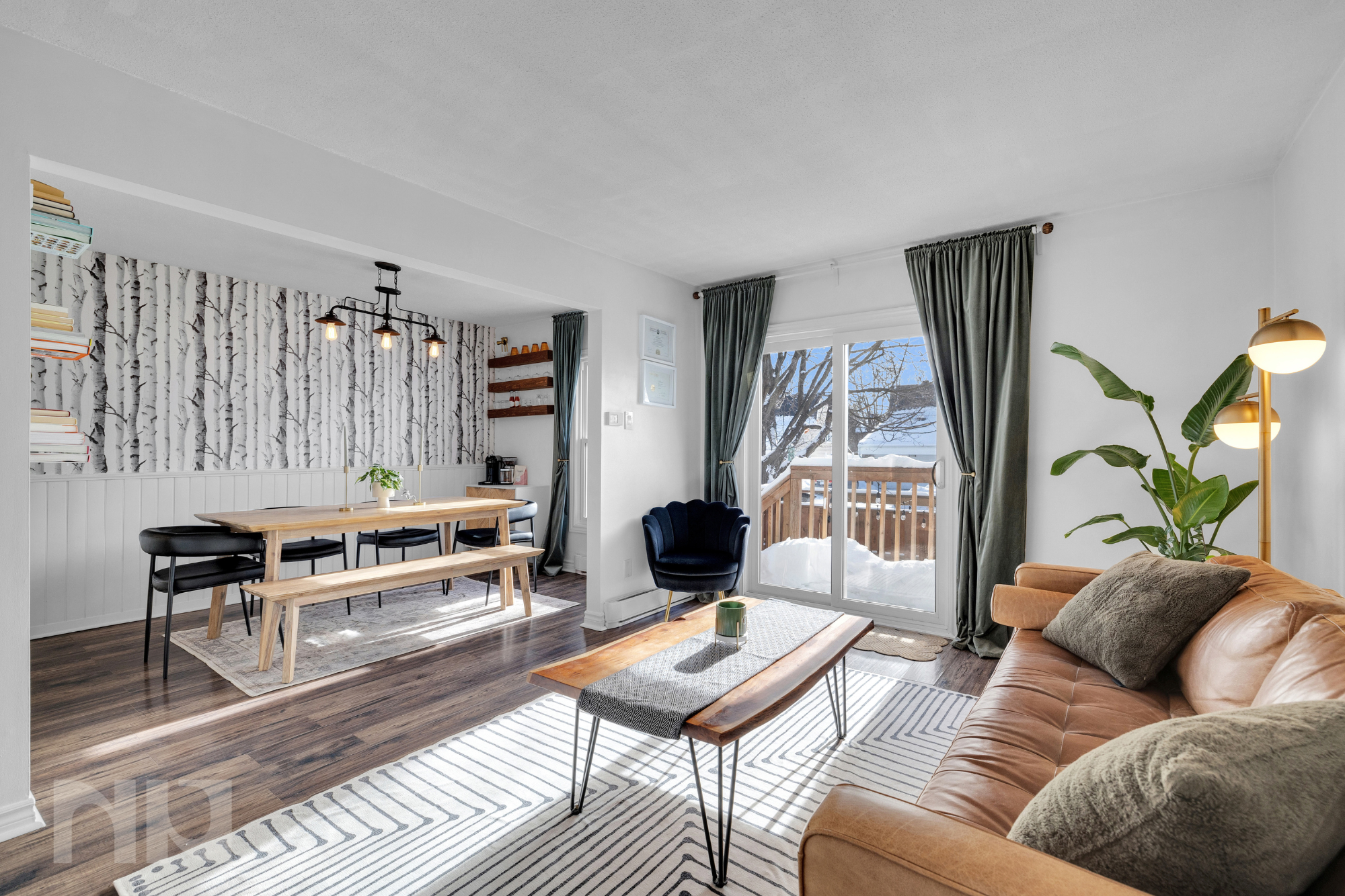
Professional photography, thoughtful listing descriptions, video, and strategic exposure aren’t just “nice to have.” They shape how buyers emotionally connect with a home before they ever step inside.
A well-marketed home doesn’t just look better. It feels easier to understand. Buyers can picture themselves living there, not just touring it.
When listings feel rushed, under-presented, or generic, buyers subconsciously assume the same about the property itself.
Timing and Strategy Beat Market Conditions
One of the biggest myths in real estate is that the market alone determines outcomes.
In reality, timing, preparation, pricing, and presentation usually matter more than whether the market is hot or calm.
In the same Ottawa neighbourhood, at the same time:
One home can sell quickly because it’s positioned properly
Another can linger because it missed the mark on just one or two key factors
The market rewards clarity, realism, and strategy, not optimism alone.
What This Means for Buyers and Sellers
For sellers, a home sitting on the market isn’t always a reflection of demand. It’s often feedback. Listening early and adjusting quickly can make all the difference.
For buyers, time on market doesn’t automatically mean something is wrong. It can signal opportunity, leverage, or simply misalignment that can be corrected through negotiation.
Understanding why homes perform differently gives you a real advantage, whether you’re buying, selling, or just paying attention.
If you’re curious how your home would likely perform, or why a particular listing isn’t moving, that conversation is usually far more nuanced than “the market is slow.”
And that nuance is where the best outcomes happen.