POTL Fees Explained (With Ottawa Examples)
If you’re shopping for a townhome or freehold property in Ottawa, you’ve likely come across the term POTL fees and wondered what they actually mean. POTL stands for Parcel of Tied Land, and while these homes are technically freehold, they often come with monthly fees that can confuse buyers.
This guide explains what POTL fees are, what they usually cover in Ottawa, how much they cost, and when they’re worth it.
What Does POTL Mean?
A Parcel of Tied Land (POTL) is a form of ownership where you own your home and the land it sits on, but you also share responsibility for certain common elements with neighbouring homes.
Unlike a condo, a POTL home means:
You own the home outright
You own the land it sits on
You are not part of a traditional condo corporation
However, you are legally tied to a common elements agreement, which is what creates POTL fees.
What Do POTL Fees Cover in Ottawa?
POTL fees vary by development, but in Ottawa they most commonly cover shared exterior services rather than the home itself.
Typical POTL fees cover:
Snow removal for private roads or laneways
Lawn maintenance of shared areas
Maintenance of private access roads or drive aisles
Visitor parking upkeep
Stormwater management systems
Street lighting or shared utilities
Contributions to a reserve fund for future repairs
POTL fees usually do not cover:
Interior maintenance
Roof repairs unless specifically stated
Windows
Utilities
Insurance for your individual home
This distinction is important and is one of the main differences between POTL homes and condos.
How Much Are POTL Fees in Ottawa?
POTL fees in Ottawa are generally lower than condo fees, but the amount depends on what the development includes.
Most buyers will see:
Around $70 to $120 per month for basic snow removal and shared maintenance
Around $120 to $180 per month in developments with private roads or more extensive infrastructure
Higher POTL fees usually indicate more shared responsibility, such as full private road maintenance. Lower fees typically mean fewer shared elements and municipally maintained roads.
Ottawa Neighbourhoods Where POTL Homes Are Common
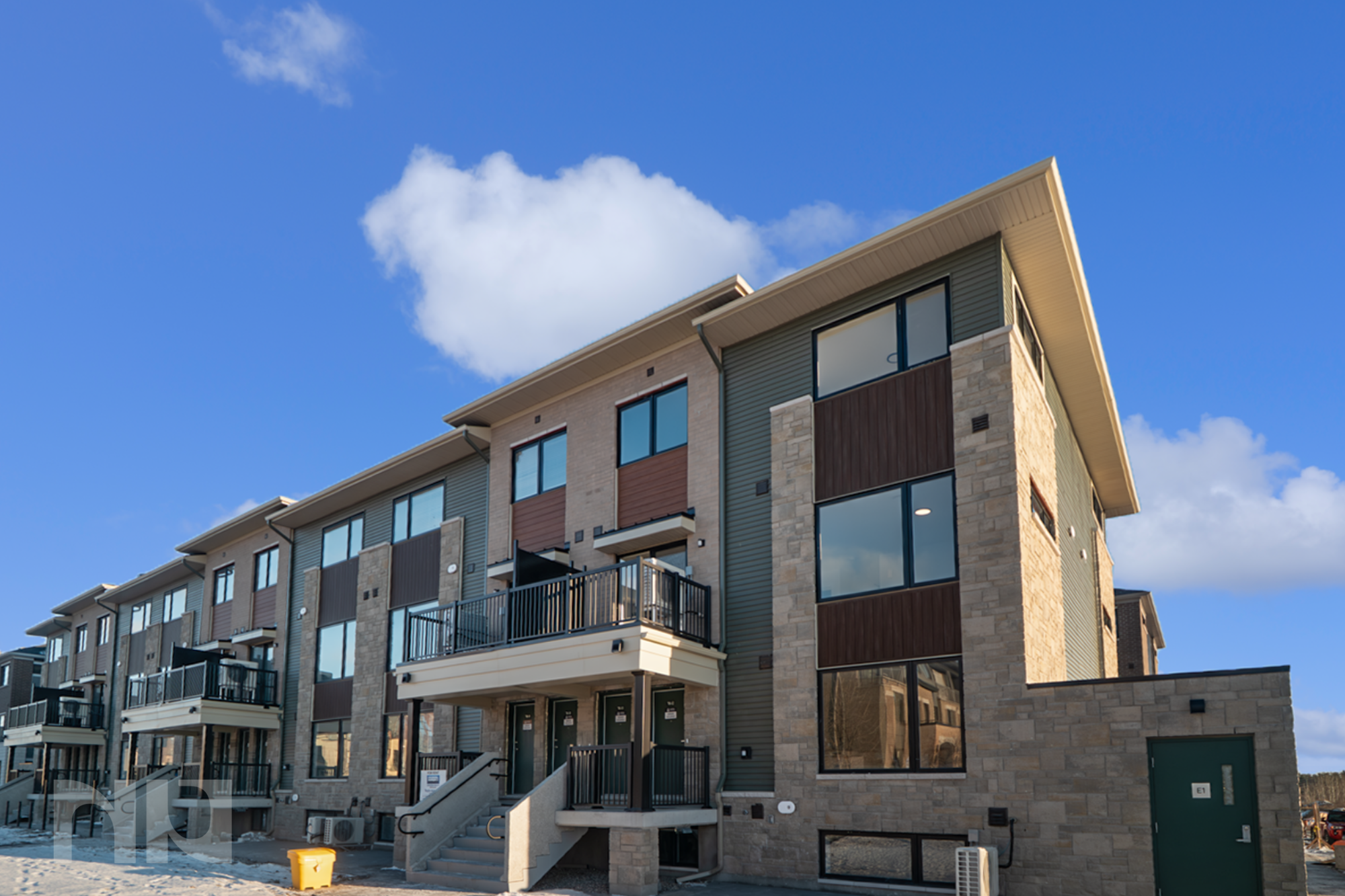
POTL homes are most common in newer suburban developments and planned communities.
Riverside South
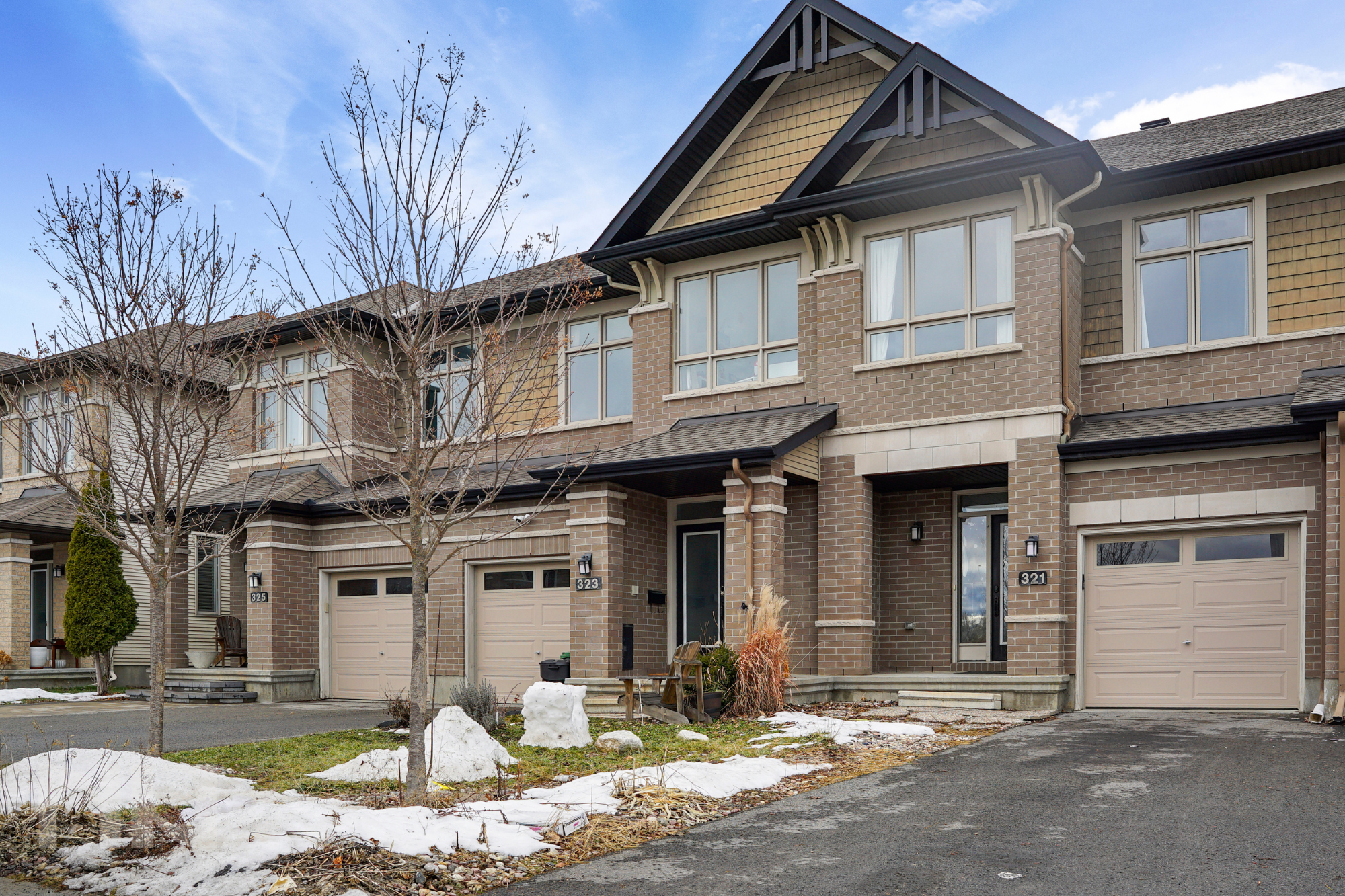
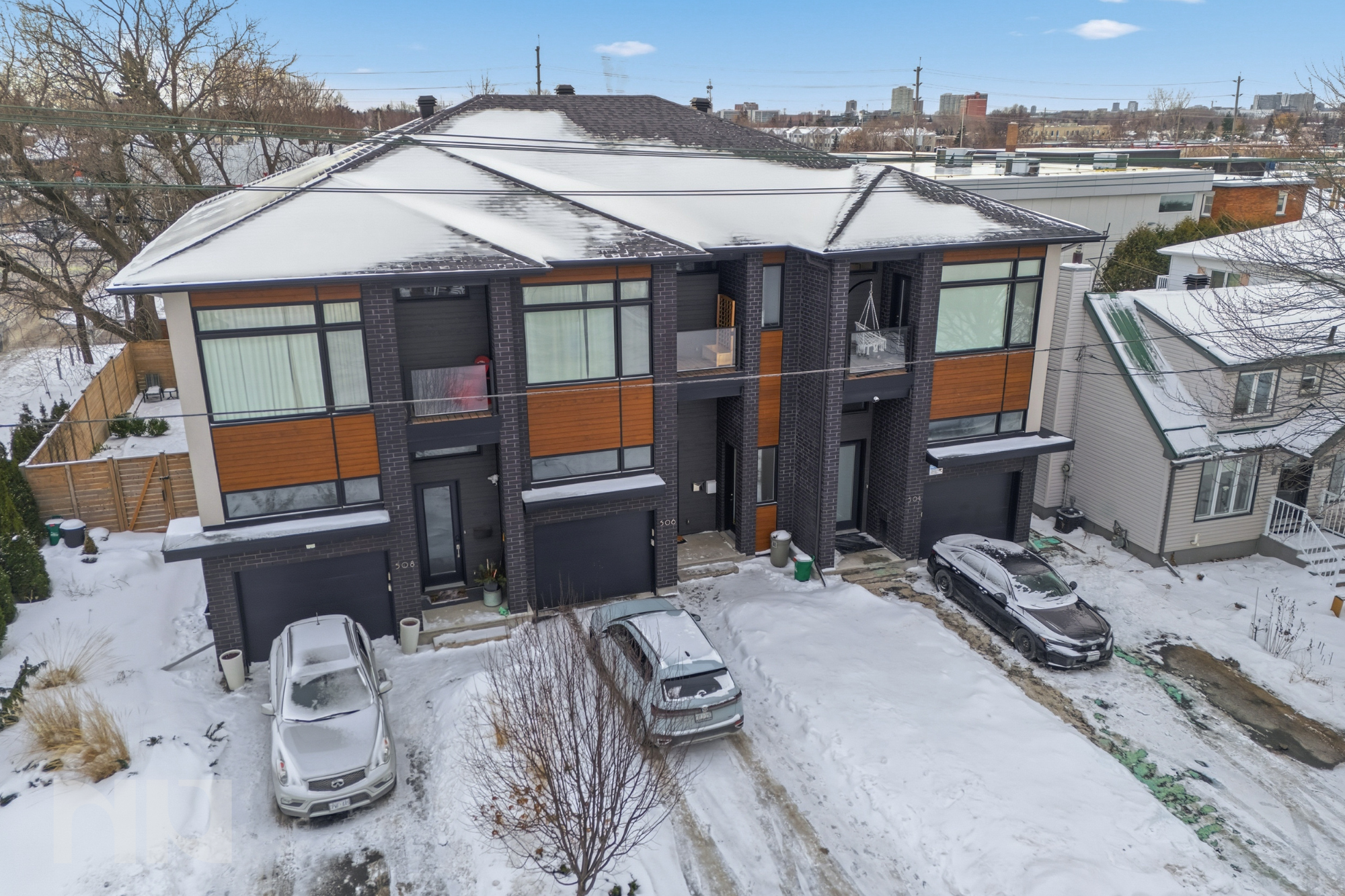
Many townhomes in Riverside South are freehold with POTL fees that cover snow removal for private streets and shared laneways. These homes are popular with buyers who want minimal winter maintenance.
Findlay Creek
Findlay Creek has several POTL-style developments where fees remain relatively low while still providing convenience and shared upkeep.
Barrhaven
In parts of Barrhaven, POTL fees are common in newer townhouse communities with private access roads and visitor parking areas.
Kanata
Certain Kanata developments use POTL structures to manage private roads and shared landscaping while keeping homes freehold.
Are POTL Fees a Good or Bad Thing?
POTL fees are not automatically a negative. Their value depends entirely on what services are included and whether those services align with your lifestyle.
POTL fees can be worth it if you:
Want snow removal handled without hiring contractors
Prefer lower exterior maintenance
Like the structure of shared upkeep without condo living
POTL fees may not be ideal if you:
Want full control over exterior maintenance
Prefer to avoid monthly fees altogether
Are paying higher fees for minimal services
Understanding the scope of the fees is far more important than the dollar amount alone.
POTL Homes vs Condos: Key Differences Explained Simply
A POTL home is still a freehold property, meaning you own the home and the land. The monthly fees are usually lower and only apply to shared elements like private roads or common landscaping.
A condo involves shared ownership of the building and land, with higher monthly fees that often cover exterior maintenance, insurance, and common amenities. Condo owners are also more directly involved in condo boards and rules.
POTL homes sit between traditional freehold ownership and condo living, offering convenience without full shared ownership.
What to Review Before Buying a POTL Home in Ottawa
Before finalizing a purchase, buyers should carefully review:
The POTL agreement
What maintenance is included and excluded
The reserve fund balance and plan
Whether roads are private or city maintained
Any restrictions on exterior changes
A real estate lawyer should always review these documents to avoid surprises later.
Final Thoughts
POTL fees are common in Ottawa, especially in newer townhouse developments. For many buyers, they offer a practical balance between freehold ownership and low-maintenance living.
The key is not avoiding POTL fees entirely, but making sure the services provided match your expectations and lifestyle.