December Told Us More Than the Headlines Will
December rarely gets much attention in real estate conversations. It’s quieter. Fewer listings. Fewer buyers. Holiday Focused. Less noise overall.
That’s exactly why it matters.
With urgency stripped away, December tends to reveal how the market actually behaves when decisions are driven by pricing, supply, and value, not hype or momentum. What’s left is intention. And intention is far more useful than prediction.
Looking back at December gives us a clearer footing as 2026 begins than any early-January headline ever could.
Why December Data Carries More Weight Than January Forecasts
January is loud. Everyone has a take. Everyone has a prediction.
December is honest.
Buyers active late in the year are usually prepared and serious. Sellers who list or stay on the market aren’t experimenting, they’re motivated. That combination produces cleaner data and fewer emotional distortions.
So when prices adjust in December, it isn’t panic.
When homes sell quickly, it isn’t hype.
It’s alignment.
That’s why December is often the best snapshot of how supply and demand are really interacting.
The Stat That Explains Almost Everything: Inventory
If there’s one number worth paying attention to, it’s months of inventory.
It measures how long it would take to sell all current listings if nothing new came on the market. More importantly, it tells us where leverage sits.
0–3 months: sellers hold the advantage
4–6 months: balanced conditions
7+ months: buyers gain leverage
By the end of December, Ottawa wasn’t operating as one market — it was three distinct ones.
Detached homes were sitting around 4.3 months, firmly balanced
Townhomes were tighter, near 2.8 months, favouring sellers
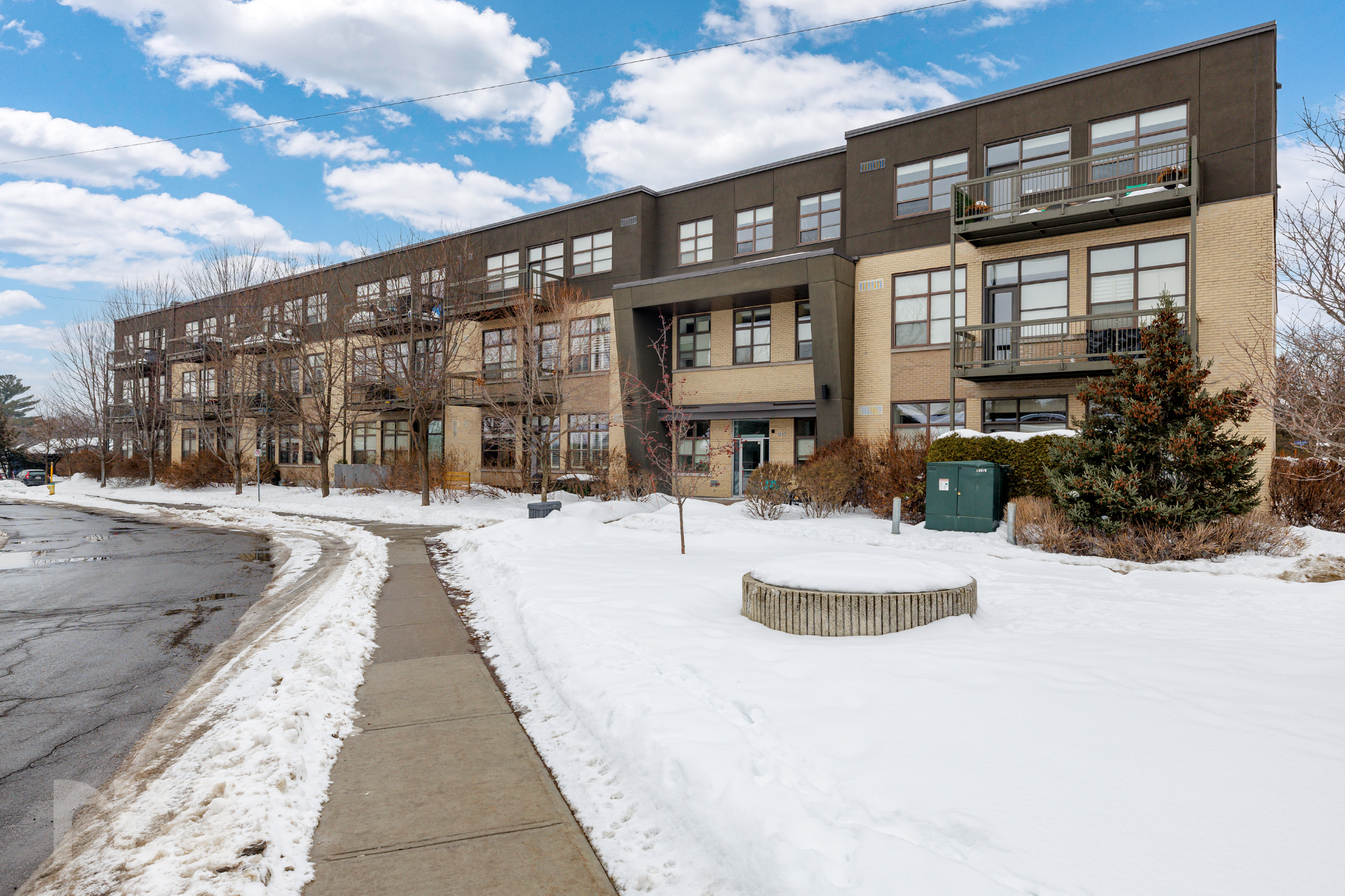
Condos climbed to roughly 7.9 months, giving buyers clear leverage
Those conditions don’t disappear just because the calendar flips. They shape how the first quarter unfolds.
Price Softening Doesn’t Mean Something Is Wrong
Prices did ease in December, but in a controlled, rational way.
Compared to last December:
Detached homes dipped about 2.1%
Townhomes softened roughly 2.8%
Condos felt more pressure, down around 4.8%
That isn’t instability. It’s recalibration.
Where inventory is tight, prices hold together better. Where supply is higher, buyers negotiate harder. That relationship showed up clearly in December and continues to set expectations heading into early 2026.
This is what a functioning market looks like.
Why Some Homes Still Sold Quickly
Even in a slower month, certain homes moved fast and it wasn’t by accident.
They shared a few common traits:
Pricing that made sense
Buyers today are quick to dismiss anything that feels even slightly optimistic. Homes priced in line with recent sales still attract immediate attention.
Low resistance
Clean, bright, move-in-ready homes consistently outperform those needing work. Renovation fatigue is real, and buyers want compensation when taking on projects.
Inventory pressure
In segments with limited choice, buyers act decisively. Where options are plentiful, they slow down and compare.
That dynamic hasn’t changed just because it’s January.
What Buyers Should Take From This
Leverage depends far more on what you’re buying than when you’re buying.
Condo buyers still have the most flexibility — longer days on market and more inventory create room to negotiate
Townhome buyers are in tighter conditions — well-priced listings don’t linger
Detached buyers are operating in a balanced environment where value and condition matter more than speed
Understanding your specific segment matters more than trying to time the season.
What Sellers Should Pay Attention To
December reinforced something sellers often underestimate: preparation beats timing.
Homes that performed best were priced intentionally, presented well, and launched with a realistic understanding of buyer expectations.
One of the biggest mistakes sellers make is anchoring to peak pricing from previous years. Buyers aren’t buying stories anymore they’re buying comparisons.
Spring will always be Ottawa’s strongest selling window. But the sellers who prepare early, adjust properly, and enter the market with clarity tend to control their outcomes far better than those who rush.
The Bigger Picture
Ottawa’s market is more measured now. Buyers are selective and Sellers need to be thoughtful. Results are being driven by strategy not urgency.
If you want to talk through what this means for your neighbourhood or your plans this year, that conversation is always worth having.

Reed Allen
reed@newpurveyors.com