The Questions People Ask Quietly Before Buying a Home in Ottawa
The Questions People Ask Quietly Before Buying a Home in Ottawa
(And the Parts Google Doesn’t Really Answer)
Most people don’t wake up one day and decide, today is the day I buy a house.
It usually starts smaller than that. A late-night scroll. A Google search that feels harmless. A question you’re not ready to say out loud yet.
At New Purveyors, we see people arrive with lots of information and very little clarity. These are the questions we hear behind the questions. And more importantly, what actually helps answer them.
“Can I actually afford this, or am I getting ahead of myself?”
This question usually isn’t about numbers alone. It’s about fear of overcommitting.
What actually matters:
Affordability is about comfort, not max approval.
Just because a lender approves a number doesn’t mean it fits your life. The goal is a monthly payment that still lets you travel, save, and breathe.Ottawa buyers do better thinking in ranges, not exact prices.
A realistic range accounts for taxes, utilities, and lifestyle, not just mortgage payments.
Next step:
Instead of asking “what’s the most I can buy,” ask “what monthly cost would still feel calm six months from now?”
“Where do people like me actually buy in Ottawa?”
This isn’t really a neighbourhood question. It’s an identity question.
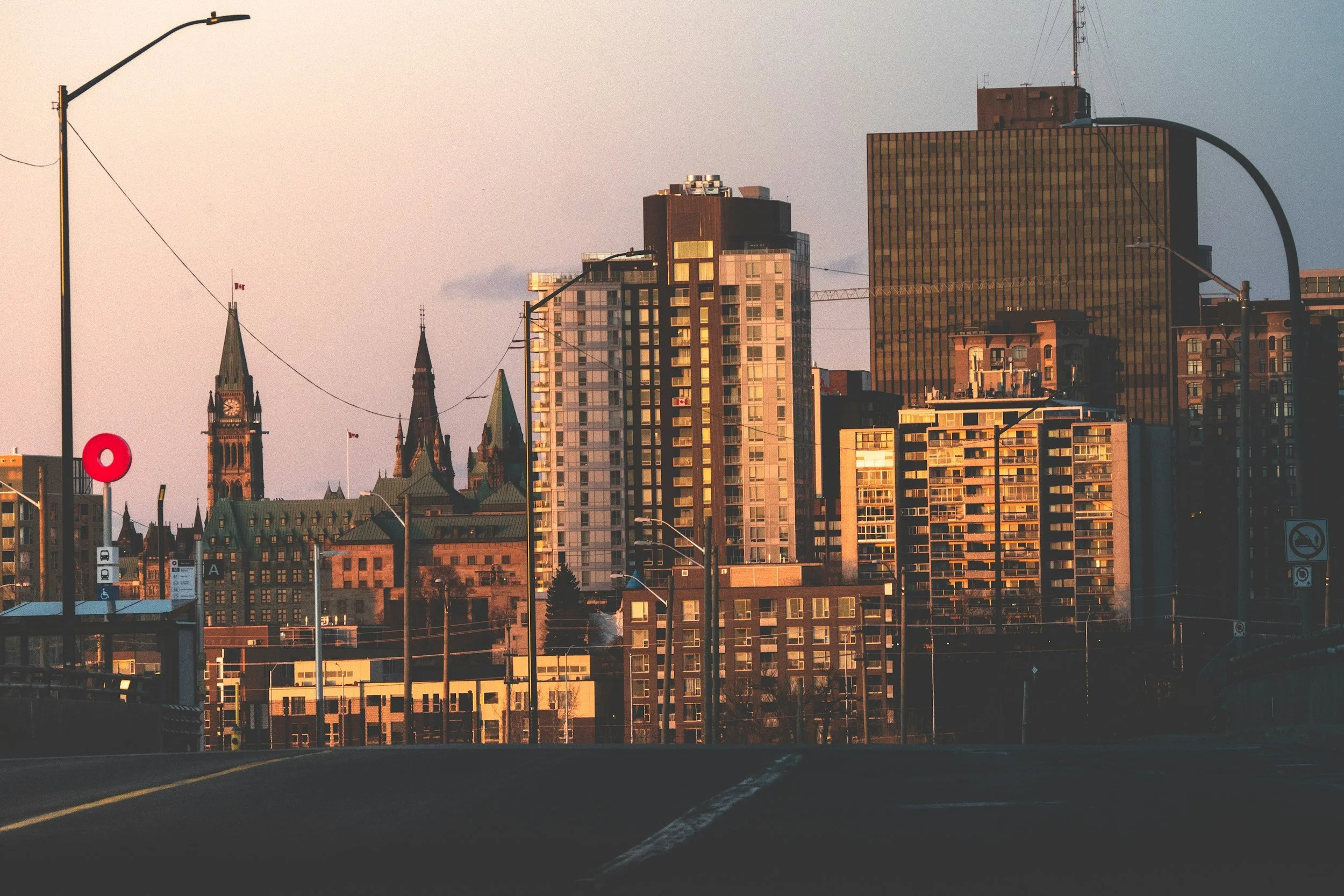
Some people feel most like themselves in places such as Hintonburg, where life happens on foot. Others want the predictability and space of areas like Barrhaven or Orléans. Some are drawn to neighbourhoods like Vanier, where pricing, location, and change intersect.
What actually matters:
Your current lifestyle matters more than future you.
Buying for a hypothetical version of yourself often leads to regret.Every neighbourhood has trade-offs.
There is no “perfect” area, only the one whose compromises bother you the least.
Next step:
Make a short list of what your week actually looks like. Commute, errands, social life, downtime. Then choose locations that support that.
“How much money do I really need before I even think about this?”
Online answers focus on minimum down payments. Real people worry about security.
What actually matters:
You need three buckets, not one:
Down payment, closing costs, and a buffer so homeownership doesn’t feel fragile.Feeling prepared beats hitting the absolute minimum.
Buyers who keep a small cushion tend to enjoy ownership more and stress less.
Next step:
Instead of asking “what’s the minimum I can put down,” ask “what amount lets me move in without immediately feeling stretched?”
“Condo or freehold… am I choosing wrong either way?”
This question carries a lot of unnecessary pressure.
What actually matters:
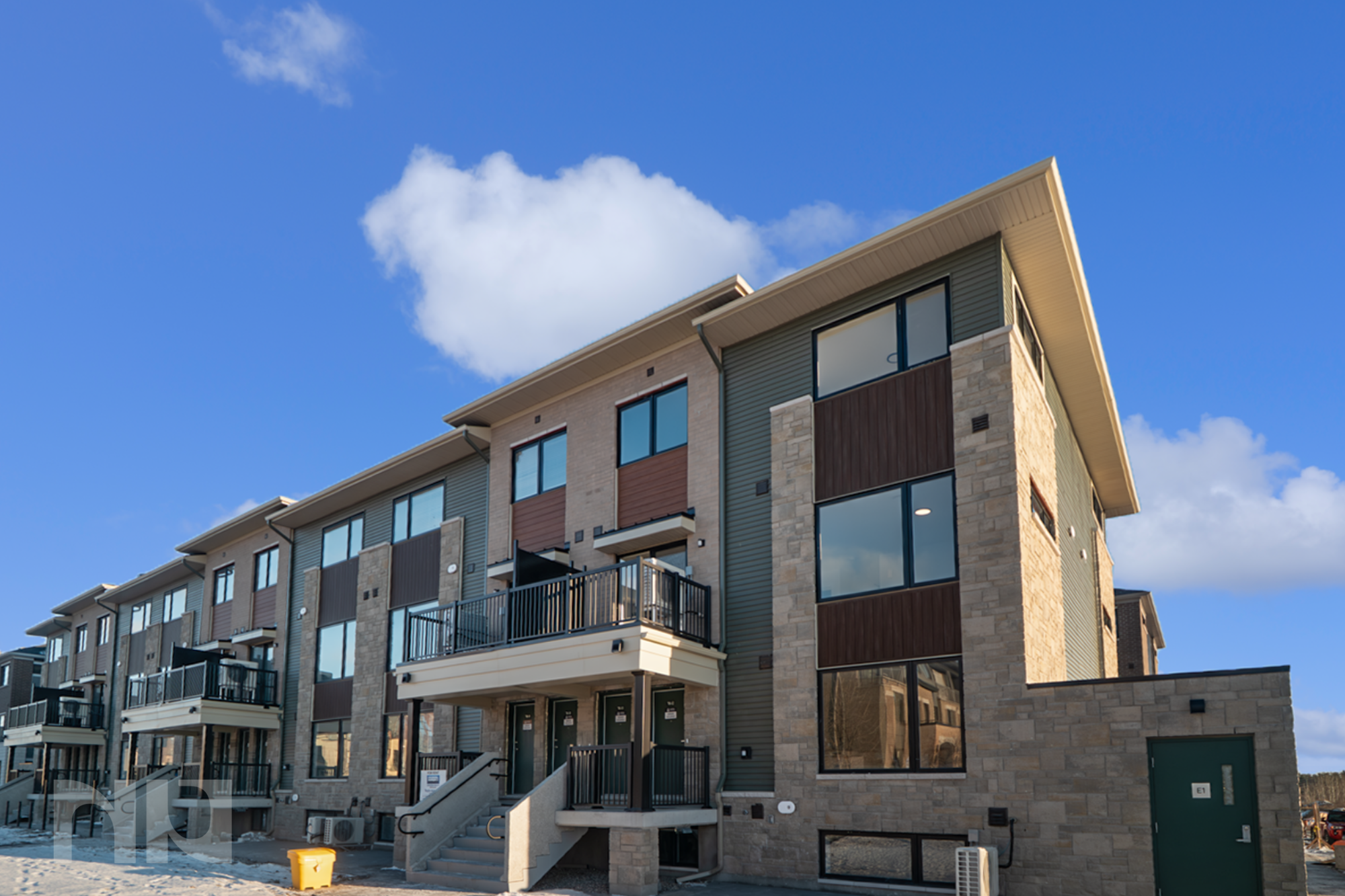
Condos are not a mistake. They’re a strategy.
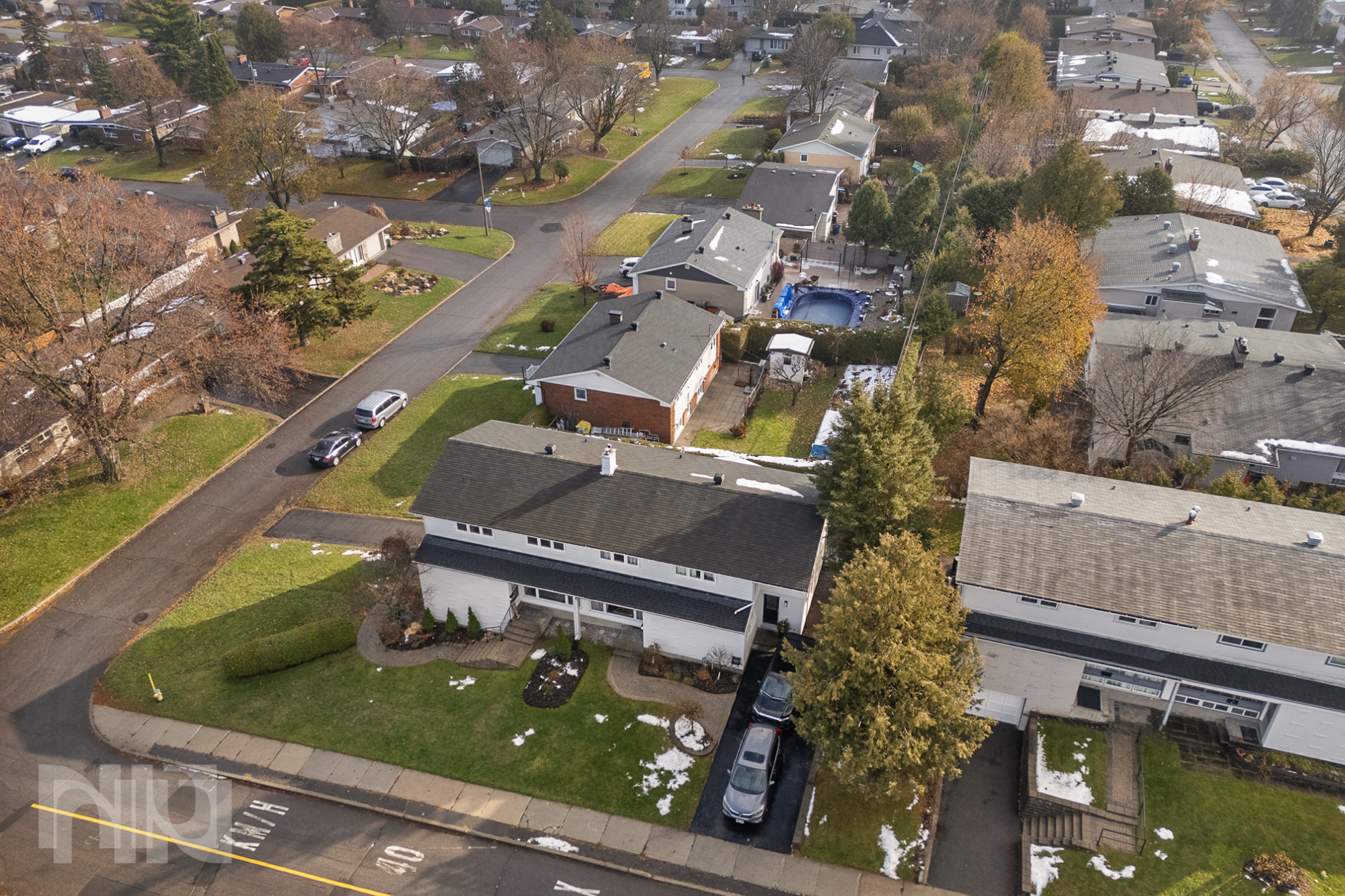
Especially for first-time buyers who value predictability and location.Freehold homes offer control, but also responsibility.
More freedom often means more maintenance, time, and surprise costs.
Next step:
Ask yourself which you value more right now: fewer unknowns or more control. The answer may change later, and that’s okay.
“When am I supposed to talk to someone about this?”
Most people wait longer than they need to.
What actually matters:
Early conversations are about education, not commitment.
You don’t need to be ready to buy to ask smart questions.The biggest mistakes happen before people think they’ve started.
Timing, preparation, and expectations are easiest to adjust early.
Next step:
Have one low-pressure conversation focused purely on understanding timelines and options. No paperwork. No urgency. Just clarity.
A Final Thought
Buying a home isn’t just a financial decision, even if people try to treat it like one.
If you’re asking these questions, it doesn’t mean you’re behind. It means you’re paying attention.
We believe good real estate advice should feel steady, local, and honest. Not loud. Not urgent. Just useful.
If you ever want to talk things through without pressure, that’s exactly how we work.