Is Ottawa Still Affordable in 2026? A Clear, Honest Look at What “Affordable” Actually Means
If you search “Is Ottawa still affordable?” you will find a lot of conflicting answers.
Some say Ottawa has become unreachable.
Others say it is still one of the most affordable major cities in Canada.
Both can be true, depending on what you mean by “affordable.”
This post is not about hype or optimism. It is about reality. What affordability looks like in Ottawa right now, who it still works for, where the pressure points are, and where people are still quietly buying homes without overextending themselves.
First, what people usually mean when they say “affordable”
Most people are not actually asking whether homes are cheap. They are asking whether buying a home still makes sense without sacrificing their entire lifestyle.
Affordability in 2026 usually means:
Can I buy without moving two hours away?
Can I still travel, save, or have kids?
Can I handle payments if rates move again?
Will I feel house-poor?
Ottawa has changed, but it has not broken. It has shifted into a city where strategy matters more than timing.
How Ottawa compares to other major Canadian cities
Ottawa remains more affordable than Toronto and Vancouver by a wide margin. That part is factual and measurable. Average prices are lower, competition is less extreme, and bidding wars are not universal.
Where Ottawa feels expensive is in the speed of change, not the absolute numbers.
Over a short period, buyers watched:
Townhomes jump faster than detached homes
Entry-level condos stop being “cheap”
Rent climb faster than wages
That creates sticker shock, especially for first-time buyers who remember pre-2020 pricing.
What affordability actually looks like by housing type
Detached homes
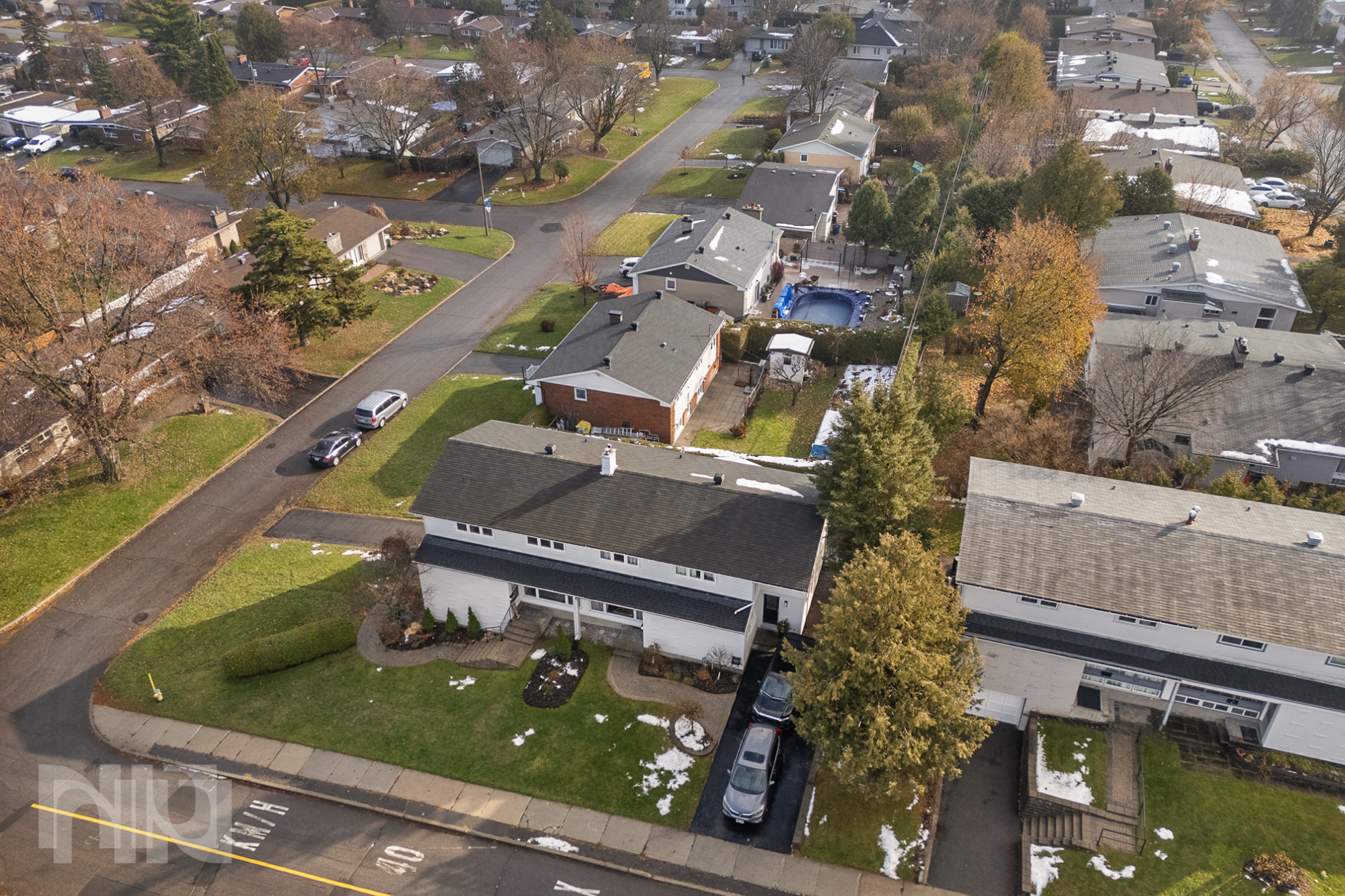
Detached homes are no longer the entry point for most first-time buyers in Ottawa. They are increasingly a second or third step. Affordability here depends heavily on location, not just price. Central neighbourhoods command premiums, while outer areas offer more breathing room but longer commutes.
Townhomes
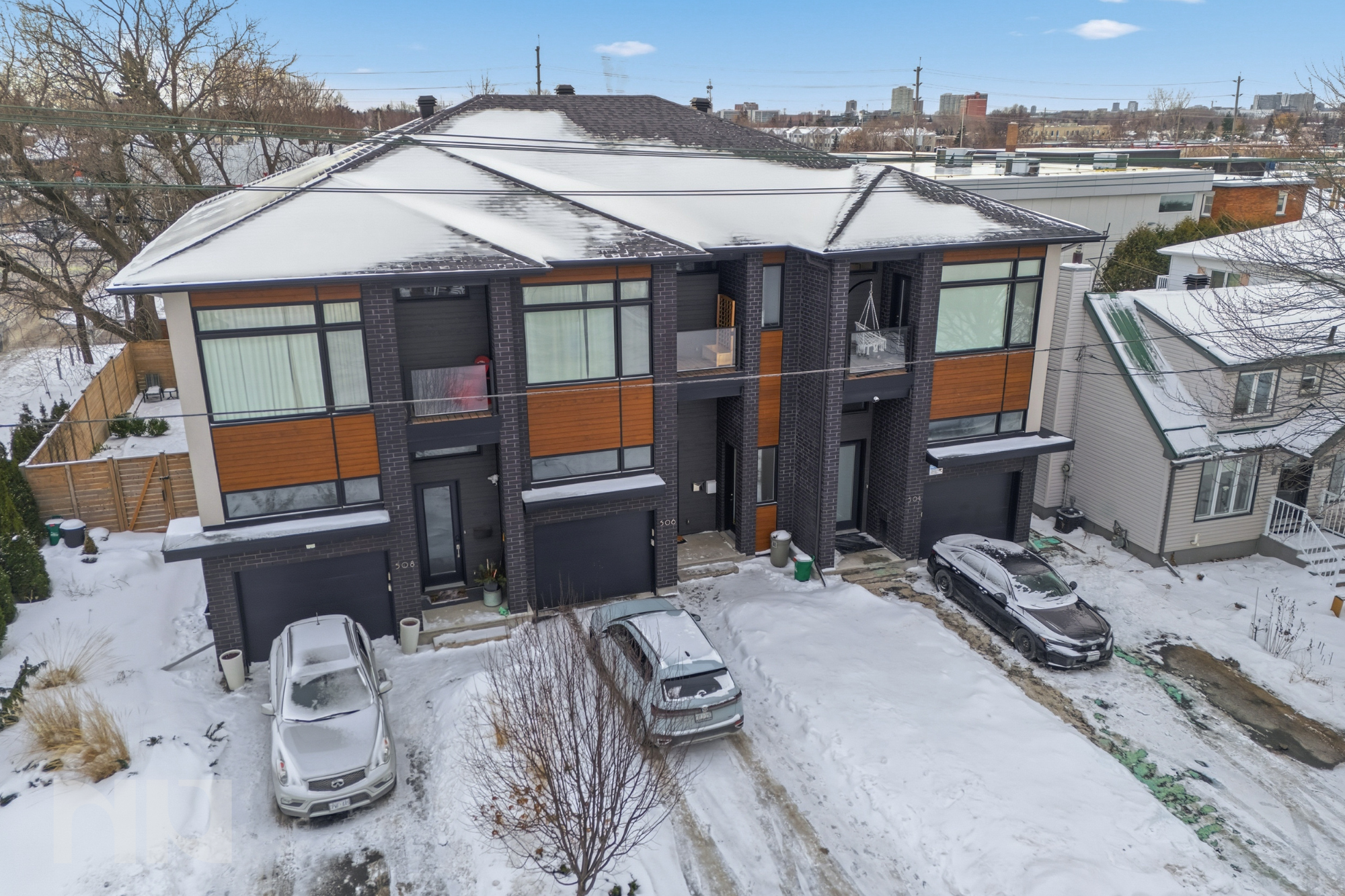
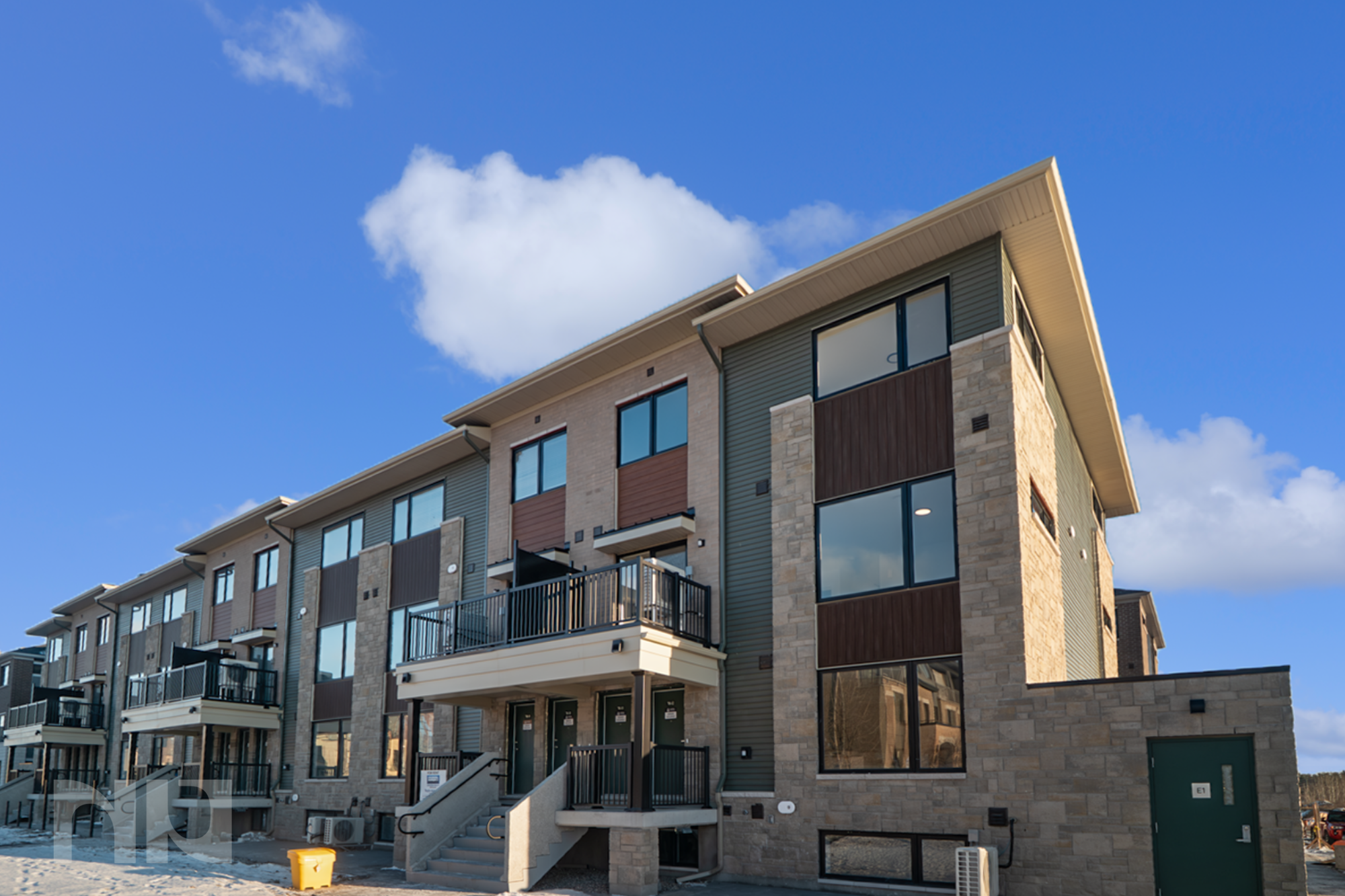
Townhomes remain the most common “first purchase” in Ottawa. They sit in a middle ground that still works for many buyers, especially couples and young families. Demand is steady, inventory moves faster, and pricing tends to be more resilient.
Condos
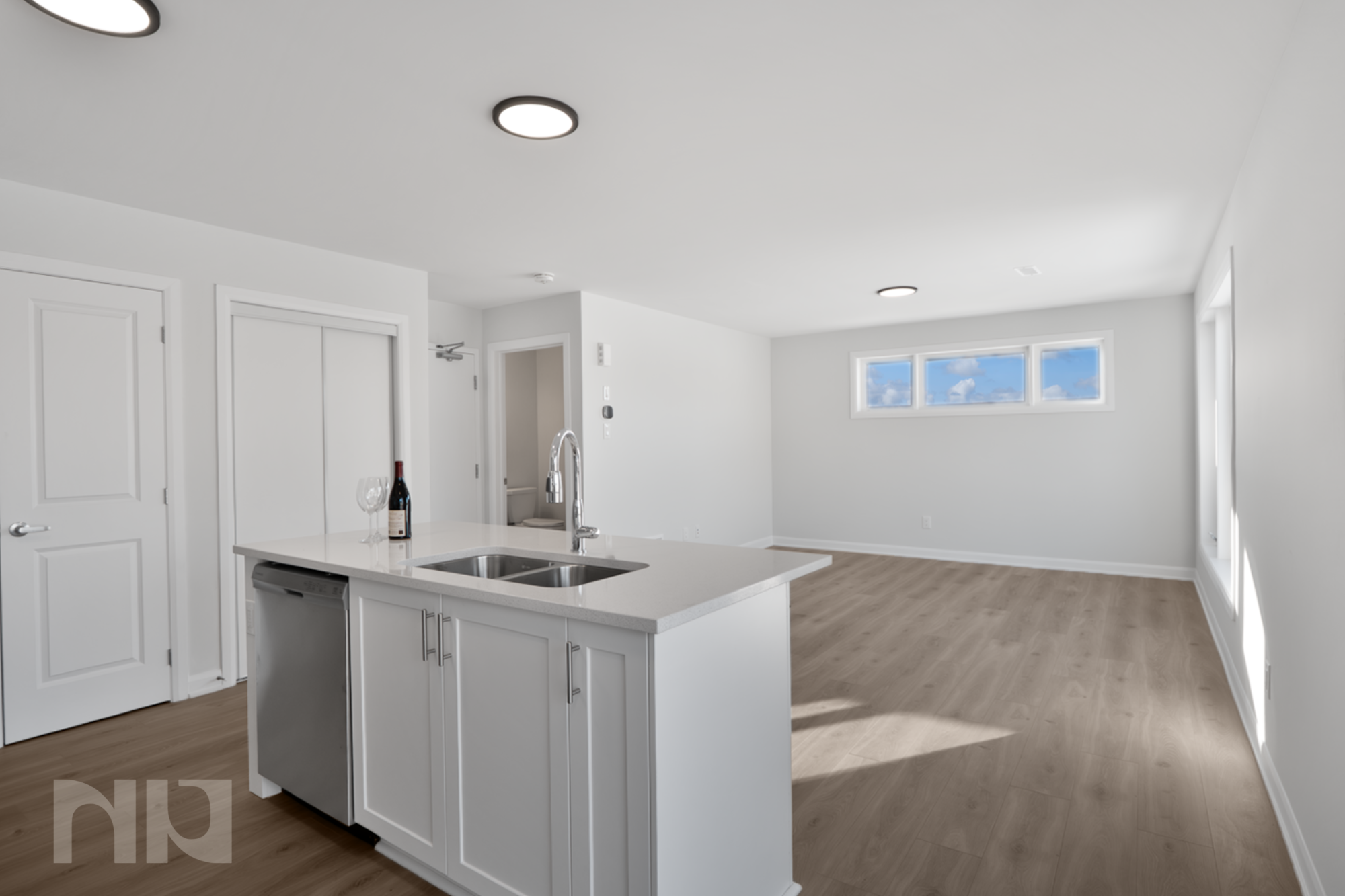
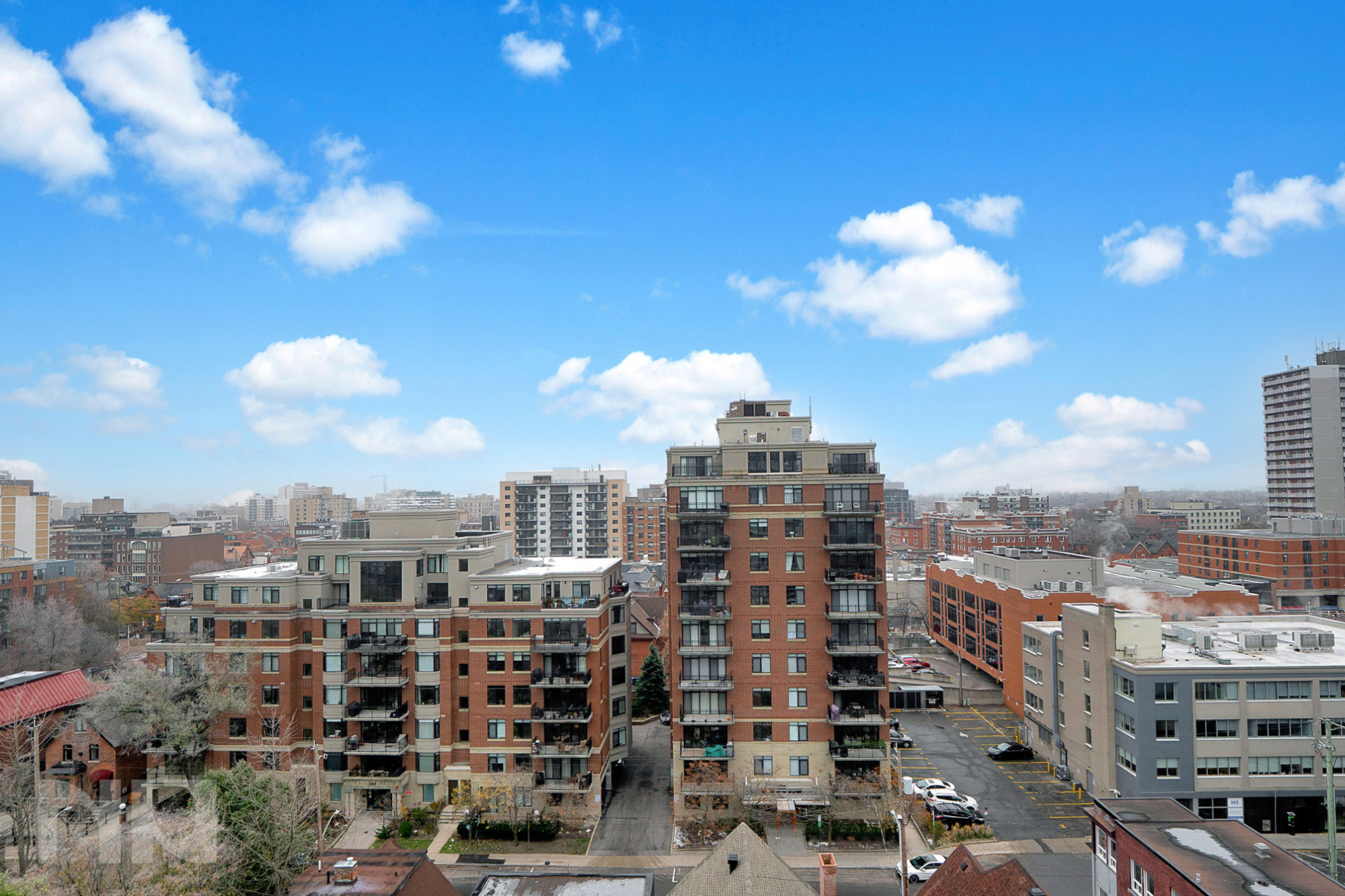
Condos offer the lowest purchase price but not always the lowest monthly cost once fees are factored in. Affordability here is less about the sticker price and more about understanding the building, the reserve fund, and long-term costs.
This is where many buyers get tripped up, especially when comparing rent to ownership.
The quiet factor that keeps Ottawa stable
Ottawa’s job market is not flashy, but it is durable.
Government, healthcare, education, and tech create a floor under the market that many cities do not have. That stability does not prevent corrections or slower years, but it does prevent extreme volatility.
For buyers, this means:
Less panic buying
Fewer sudden crashes
More predictable long-term ownership
Affordability is not just about buying. It is about not being forced to sell.
Where affordability still exists, if you know where to look
Affordability in Ottawa is no longer about “cheap neighbourhoods.” It is about fit.
Some buyers prioritize:
Shorter commutes
Transit access
Walkability
Smaller square footage
Others prioritize:
Space
Newer builds
Future appreciation
There is no universal answer, but there are still neighbourhoods where buyers are purchasing thoughtfully without stretching themselves thin. Most of those purchases are happening with realistic expectations and strong planning, not urgency.
The biggest affordability mistake buyers make
The most common mistake is treating affordability as a single number.
Purchase price alone does not tell the full story. Monthly payments, condo fees, maintenance, insurance, utilities, and lifestyle costs all matter. Buyers who focus only on “what they qualify for” often regret it later.
Affordability should feel sustainable, not impressive.
So, is Ottawa still affordable?
The honest answer is yes, but not in the way it used to be.
Ottawa is no longer a city where you buy first and figure it out later. It is a city where:
Planning matters
Trade-offs are normal
The right property matters more than the right year
For buyers who approach the market with clarity, realistic expectations, and good advice, Ottawa is still a place where homeownership makes sense.
For those waiting for prices to feel like they did years ago, the wait may be long.
Final thought
Affordability is personal. Two buyers with the same income can experience the Ottawa market very differently based on their goals, flexibility, and timeline.
The most successful buyers in 2026 are not chasing the market. They are understanding it.
If you are thinking about buying or selling and want an honest conversation about what affordability looks like for you specifically, that clarity matters more than headlines ever will.