The Real Cost of Owning a Home in Ottawa (What Most Buyers Don’t Budget For)
Most people shopping for a home in Ottawa focus on one number: the purchase price.
But the real cost of homeownership starts long after closing day.
Over the years, we have seen buyers feel confident about their mortgage payment, only to be surprised later by the quieter, ongoing costs that come with owning a home. These costs are rarely hidden, but they are often underestimated.
If you are planning to buy in Ottawa, especially for the first time or after renting for years, this breakdown will help you budget realistically and avoid unpleasant surprises.
Monthly Costs Beyond the Mortgage
Your mortgage payment is only one piece of the monthly picture.
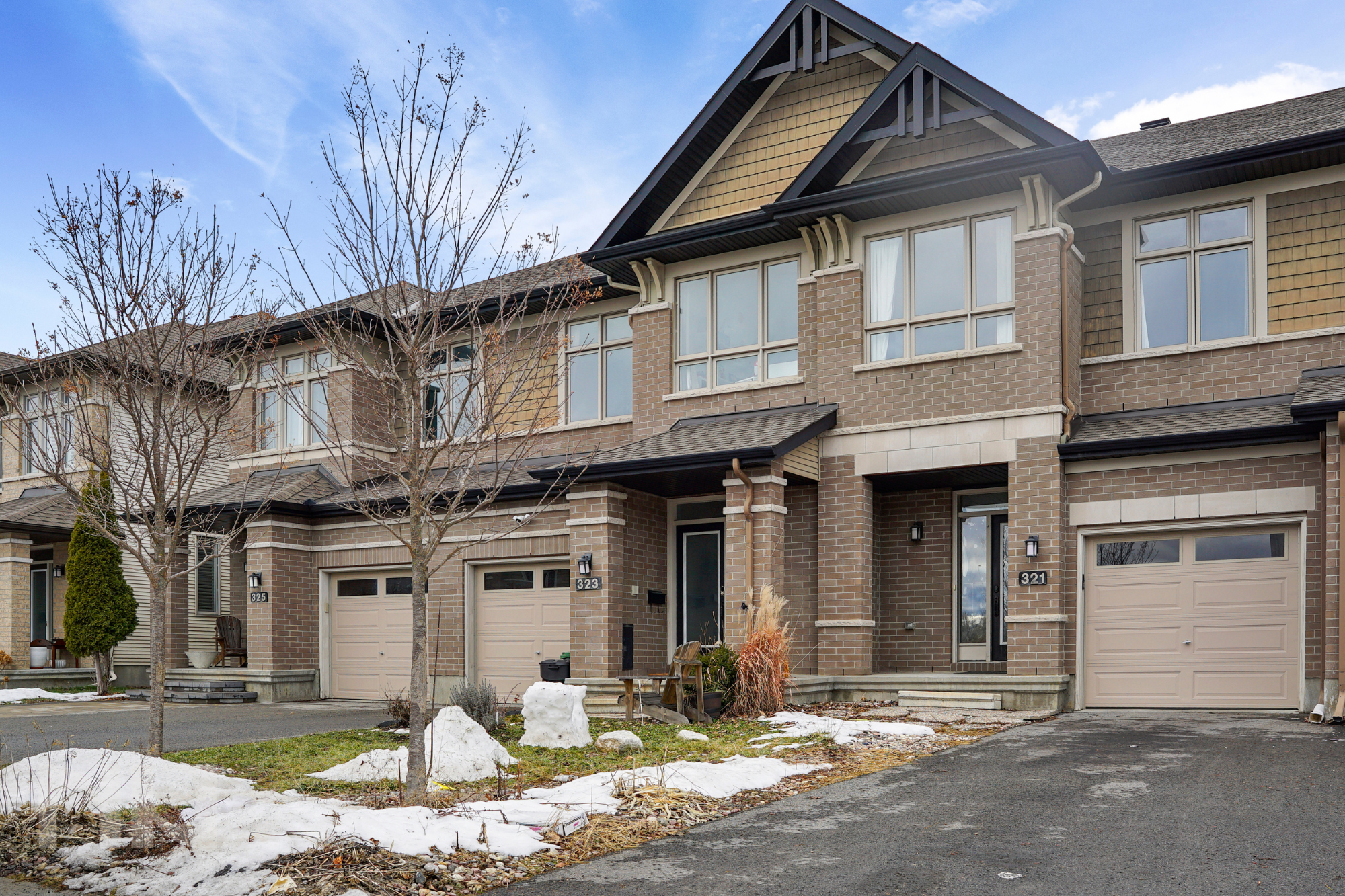
Property taxes are the most common oversight. In Ottawa, taxes vary significantly depending on the neighbourhood, home type, and assessed value. A townhouse in Barrhaven and a condo downtown may have similar prices but very different tax bills.
Utilities are another adjustment for renters. Heating, electricity, and water fluctuate by season, home size, insulation quality, and whether the home uses gas, electric, or radiant systems. Older homes often cost more to heat than buyers expect, particularly in winter.
Internet, insurance, and waste collection fees add to the baseline monthly cost and should be included in your budget from day one.
The Annual and Irregular Costs Most People Forget
Some costs do not show up monthly, which makes them easier to ignore.
Home insurance premiums often rise after the first year, especially if claims increase city-wide or replacement costs rise. Maintenance and repairs are also unavoidable. Even well-maintained homes require ongoing spending for things like furnace servicing, gutter cleaning, appliance repairs, and minor fixes that add up over time.
Condo owners face a different version of this. Monthly condo fees cover many shared expenses, but special assessments can occur if large repairs are needed and reserve funds fall short. Understanding the reserve fund study before buying is critical.
Lifestyle Costs That Change After You Buy
Homeownership changes how people live, and that comes with financial side effects.
Commuting patterns often shift. A move from downtown to the suburbs may mean higher transportation costs, more fuel, or a second vehicle. Yard care, snow removal, tools, and seasonal upkeep become part of everyday life for freehold owners.
Even furnishing costs change. Larger homes tend to invite larger furniture purchases, outdoor setups, and ongoing improvements that renters rarely consider.
Why This Matters Before You Start House Hunting
The biggest mistake buyers make is maxing out their purchase price without leaving room for flexibility. A comfortable mortgage can quickly feel tight when layered with realistic ownership costs.
We encourage buyers to plan for a home that supports their lifestyle, not just one they can technically afford. This approach leads to better long-term satisfaction, fewer financial stressors, and smarter decision-making during negotiations.
How We Help Buyers Budget Properly
When we work with buyers, we go beyond listings and price points. We talk through ownership costs specific to neighbourhoods, housing types, and even individual buildings. A condo downtown and a freehold in the suburbs come with very different financial profiles, even at the same price.
Understanding these differences early allows buyers to choose homes with confidence instead of discovering limitations later.
If you are thinking about buying in Ottawa and want a realistic picture of what ownership actually looks like, we are always happy to walk through it with you.